
3D Visualization for Residential Projects in the UK

Updated: Feb 18
The residential property market in the United Kingdom has transformed into a highly visual and experience-driven landscape. Buyers, investors, and planners are no longer satisfied with traditional blueprints or technical drawings. They seek simplicity, reality, and emotional connections. This shift has made 3D visualization an essential part of modern residential development.

3D visualization transforms vision into reality by converting architectural intent into visual stories. These stories can be experienced before the first brick is laid. Stakeholders can explore space, scale, and ambiance, allowing for a deeper understanding of the project.
What is 3D Visualization for Residential Projects?
3D visualization is the creation of realistic digital images of your dream residential property. It is based on architectural data, materials, lighting models, and surrounding backgrounds. These visuals recreate real-life situations with remarkable accuracy.
For residential projects, there are various forms of visualization, including exterior visualization, interior visualization, 3D floor plans, virtual tours, and flythroughs. Each visual resource is designed to convey design while enhancing aesthetic appeal and spatial understanding.
Key Benefits of 3D Visualization for Residential Projects
3D property rendering services in the UK offer significant advantages for buyer engagement. 3D visualizations also provide:
Design Clarity: Clear representation of design elements.
Emotional Connection: Helps buyers feel a connection to the space.
Material Visualization: Realistic depiction of materials used.
Boosts Off-plan Conversions: Encourages buyers to commit before construction.
Detects Design Issues Early: Identifies potential problems before they arise.
Reduces Costly Errors: Minimizes mistakes during the building process.
Applications of 3D Visualization in Residential Projects
Apartments and High-rise Developments
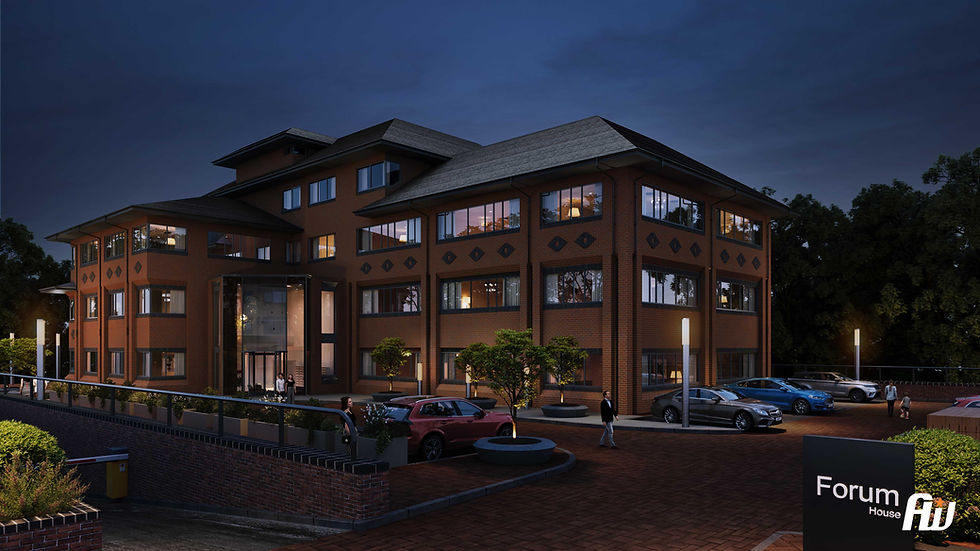
In urban areas like Manchester, 3D visualization is invaluable for apartment projects. It showcases unit layouts, façades, balconies, and shared amenities. This helps buyers and planners understand how the building integrates into its surroundings. The result is an accurate virtual replica that allows potential buyers to experience the height, room size, and overall ambiance. It shifts the perspective from merely looking at a house to truly experiencing a home.
Suburban Communities and Housing Estates
For large housing projects, masterplan visualizations demonstrate layout flow, green areas, inner routes, and neighborhood unity. These computer-generated images (CGIs) help buyers understand the lifestyle offered, beyond just individual units. Property developers widely use these visuals in brochures, hoardings, and online campaigns.
Luxury Villas and Customized Homes
In luxury residential projects, accuracy and feel are paramount. 3D visualization captures customized architecture, premium materials, landscape designs, and interior styling. This precision is especially effective for foreign clients or high-net-worth individuals who may not visit the site immediately.
Renovation and Regeneration Projects
For home renovations, 3D visualization serves as a powerful planning tool. It provides homeowners with a clear view of how interiors will be transformed. They can compare layouts and assess finishes before any work begins. This is particularly beneficial for heritage homes, where it is essential to preserve original beauty while introducing modern improvements thoughtfully.
Planning, Approvals, and Future Trends
The use of 3D visualization in London has increased significantly for planning submissions. It aids local authorities in assessing scale, context, and visual impact more clearly. Looking ahead, connections with virtual reality, real-time visualization, and smart home simulations will further revolutionize how residential projects are displayed and experienced.
Conclusion
3D visualization is a crucial strategic tool in today's competitive residential market. It enhances communication, builds buyer trust, aids in planning approvals, and improves marketing performance. Most importantly, it transforms architectural vision into reality, creating a compelling experience for all stakeholders.
FAQs
Can I use 3D visualization for planning applications?
Yes, it provides a clear picture of scale, context, and visual impact, increasing approval opportunities.
How does 3D visualization help sell residential properties faster?
It provides a realistic preview of the house, builds buyer confidence, and accelerates off-plan sales.
Can 3D visualization help me choose my actual interior finishes?
Yes, you can make realistic comparisons of materials, colors, and finishes before making final choices.


Comments